
Top 10 Sacred Places in Gaya for Ancestor Rituals: A Pilgrim's Geography
Discover the top 10 sacred locations (Vedis) in Gaya for performing Pind Daan, Shradh, and Tarpan. Learn about their mythological significance and ritual details.
Introduction to Gaya's Sacred Geography
The city of Gaya, Bihar, is globally renowned as the ultimate spiritual destination for ancestral liberation (Pitru Mukti). According to scriptures like the Vayu Purana, the city is established on the body of the righteous demon Gayasur, who was pinned down by Lord Vishnu's foot.
While most pilgrims associate Pind Daan with the core temples, the scriptures define a complex matrix of holy locations known as Vedis (sacred platforms). Historically, there were up to 360 Vedis in Gaya; today, approximately 45 remain active. Performing rituals at different Vedis allows descendants to target specific generations, lineage branches, or karmic debts.
If you are planning a pilgrimage, here is a complete guide to the Top 10 Sacred Places in Gaya for ancestral rituals, explaining their history, spiritual purpose, and how to include them in your itinerary.
The Top 10 Sacred Places in Gaya
### 1. Falgu River (Phalgu Nadi)
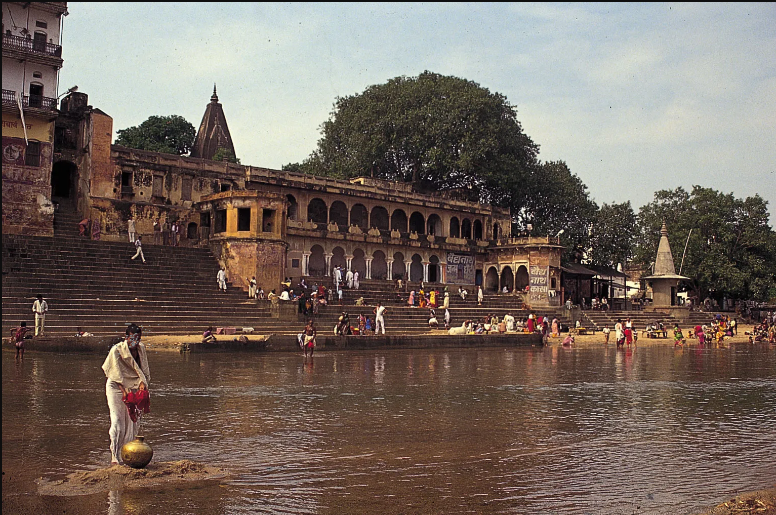
The Falgu River is the starting point of any ancestral pilgrimage. It is a subterranean river, appearing as dry sand on the surface but flowing with fresh water just beneath.
* Significance: This is where Goddess Sita performed the first sand Pind Daan for King Dasharatha.
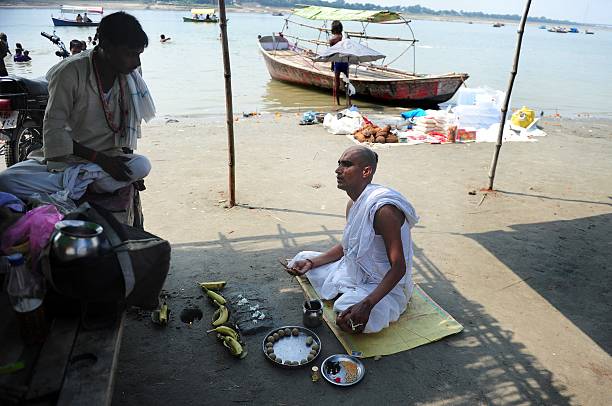
Rituals: Pilgrims take a purificatory bath (Snan) and perform Tarpan* (water libations mixed with black sesame seeds) on its banks.
* Read more: Falgu River Pind Daan Significance.
### 2. Vishnupad Temple
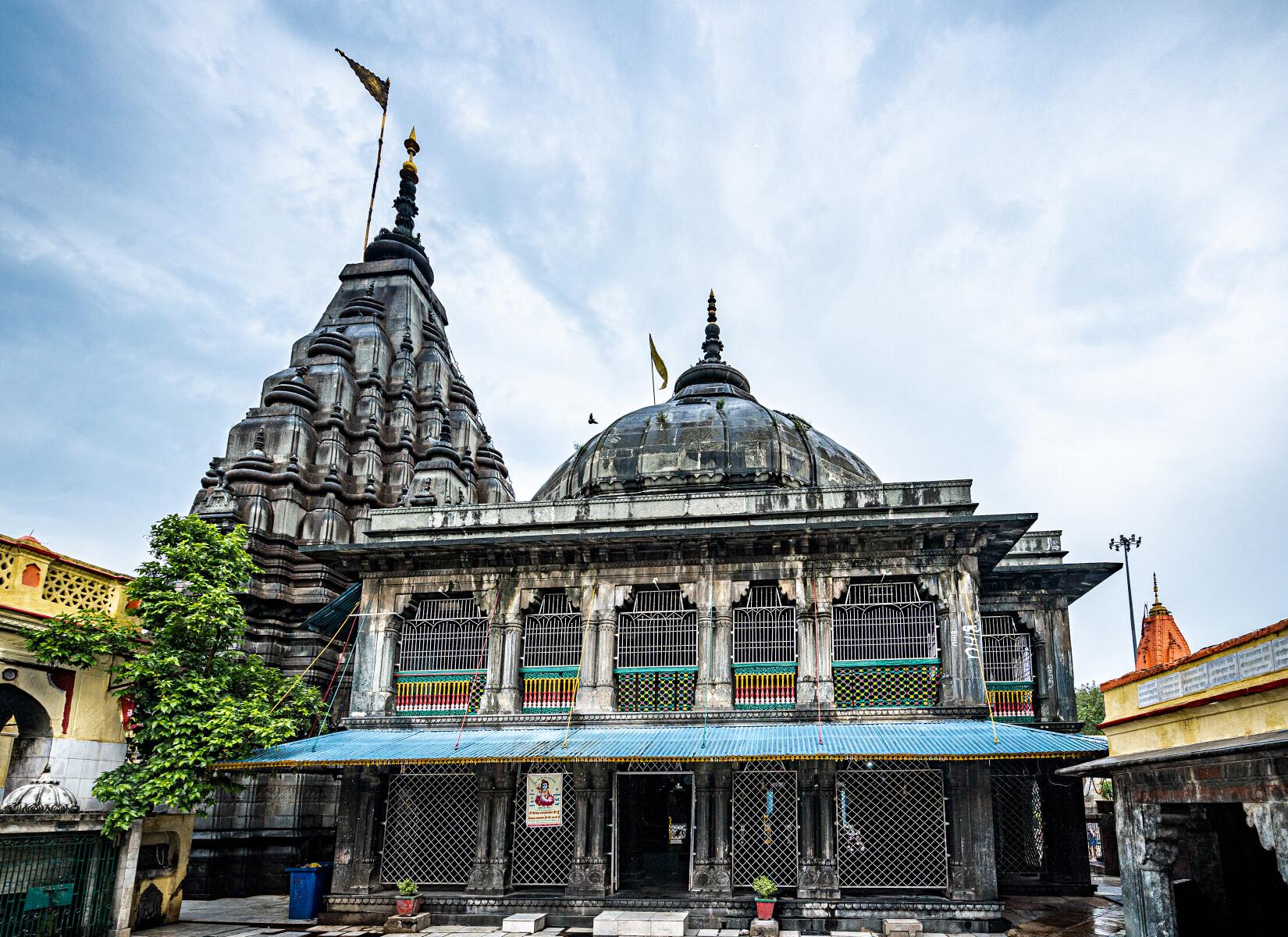
The crown jewel of Gaya's pilgrimage, built in granite by Maharani Ahilyabai Holkar of Indore in 1787.
Significance: Houses the 40-centimeter footprint of Lord Vishnu (Vishnu Pada*) in basalt stone.
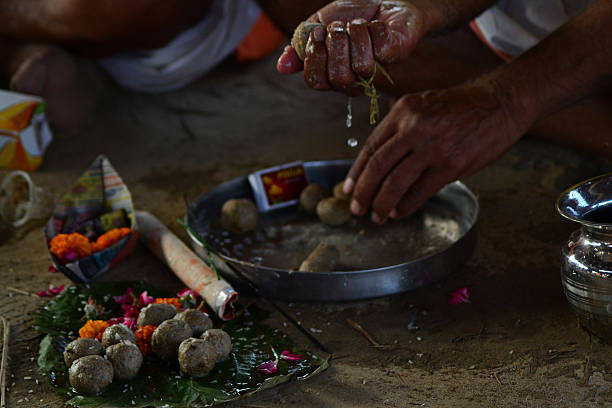
* Rituals: Placing Pindas directly on the footprint to dissolve the ancestor's remaining earthly attachments and grant them access to Vaikuntha.
* Read more: Vishnupad Temple Ritual Guide.
### 3. Akshay Vat
The immortal Banyan tree located within the Vishnupad temple compound.
* Significance: Sita blessed this tree with immortality for speaking the truth about her sand offering.
Rituals: Devotees offer the final Pindas under its branches to seal the merit of the pilgrimage forever (Akshaya meaning inexhaustible) and perform Sita-Sankalp* (vowing to give up a favorite food/habit).
* Read more: The Sacred Importance of Akshay Vat.
### 4. Pretshila Hill
A steep, 540-foot hill located about 8 kilometers northwest of Gaya.
* Significance: Known as the "Hill of Ghosts." At the summit is a temple dedicated to Yamraj (the god of death).
Rituals: Critical for ancestors who met with sudden, violent, or unnatural deaths. Offering Pindas here helps pacify restless spirits (Pretas*) and releases them from lower realms.
* Read more: Pretshila Temple Gaya Guide.
### 5. Ramshila Hill
Another prominent hill located about 5 kilometers north of Gaya.
* Significance: Connected to Lord Rama's exile. According to legends, Lord Rama performed Shradh for his ancestors here.
Rituals: Offering Pindas at the temple at the summit (Rameshwar Temple*) to satisfy paternal lineages and invoke Lord Shiva's blessings.
* Read more: Ramshila Hill Gaya Significance.
### 6. Brahma Kund
A sacred water tank located at the base of Pretshila Hill.
* Significance: Mythologically created by Lord Brahma for his own purificatory bath before performing a great Yajna.
* Rituals: Devotees take a holy dip here before climbing Pretshila. Tarpan performed at Brahma Kund carries immense purificatory merit.
### 7. Sita Kund
Located on the eastern bank of the Falgu River, opposite the Vishnupad Temple.
* Significance: The exact spot where Mata Sita sat and gathered sand to form the Pindas for King Dasharatha.
Rituals: Offering sand Pindas (Baluka Pinda) to commemorate Sita's devotion and pray for the peace of female ancestors (Matru Mukti*).
### 8. Ram Gaya
A sacred platform located near Sita Kund on the bank of the Falgu River.
* Significance: The spot where Lord Rama performed his formal Shradh ceremony after returning with the ritual materials.
* Rituals: Offering rice and sesame Pindas to seek the blessings of the paternal lineage.
### 9. Mangla Gauri Temple
One of the 18 Shakti Peethas, located on Mangla Gauri Hill in Gaya.
* Significance: It is believed that a part of Goddess Sati's breast fell here.
* Rituals: While primarily a goddess shrine, making offerings here is highly auspicious for resolving marital delays and securing blessings for family health.
### 10. Kakbali (Kakbali Vedi)
A specific ritual platform located near the outer temple areas.
Significance: Dedicated to the worship of crows (Kaka*), which are scripturally recognized as the vehicles and messengers of the ancestors.
Rituals: Performing Kakbali* (food offerings specifically for crows) to invite the ancestors to accept the Shraddha offerings.
Comparison of the Three Primary Sites vs. Hill Vedis
To help you organize your itinerary, look at how the core locations compare with the hill-based Vedis:
| Sacred Place | Location | Primary Spiritual Focus | Accessibility |
| : | : | : | : |
| Falgu River | Central Gaya | Purification, initial Tarpan. | Very easy (ghats are walk-in). |
| Vishnupad Temple | Central Gaya | Dissolving karmic bonds on Vishnu's footprint. | Easy (flat ground). |
| Akshay Vat | Central Gaya | Permanent sealing of merit under the tree. | Easy (flat ground). |
| Pretshila Hill | 8 km NW of Gaya | Releasing souls from sudden/unnatural deaths. | Hard (requires climbing ~400 steps). |
| Ramshila Hill | 5 km N of Gaya | Pacifying paternal ancestors. | Moderate (requires climbing ~300 steps). |
Conclusion and Booking Support
Navigating the Sacred Places in Gaya requires planning and guidance. A standard 1-day pilgrimage typically covers the 3 Core Sites (Falgu River, Vishnupad, Akshay Vat), while a comprehensive 2-3 day itinerary includes Pretshila and Ramshila hills.
At Gaya Rituals, we manage the complete logistics for your trip. We arrange transport between the hills, assign verified Gayawal Pandits for each location, and ensure your family completes all necessary rites comfortably.
Ready to book your custom Vedi pilgrimage?
Book Your Ritual Now | Talk to a coordinator on WhatsApp | Read the Complete Pind Daan Guide
Speak With Coordinator
Receive gotra-specific advice and customized pricing guidelines for Gaya rituals.
Related Articles
Gaya Rituals Promise
- ✓100% scriptural guidance under Vedic Acharyas.
- ✓Complete price transparency with zero hidden dakshina.
- ✓Respectful support for elderly & NRI families.