
Akshay Vat Gaya: Importance, Legends and Pind Daan Rituals
Uncover the legendary significance of Akshay Vat, the immortal tree of Gaya. Learn about Sita's blessing, the custom of Sita-Sankalp, and why the final Pind Daan offering must be made here.
Introduction: The Final Station of Liberation
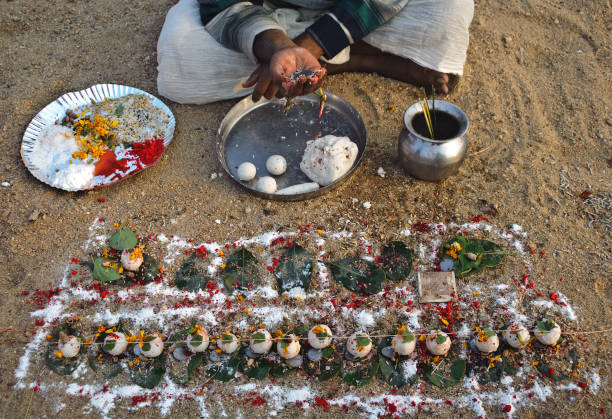
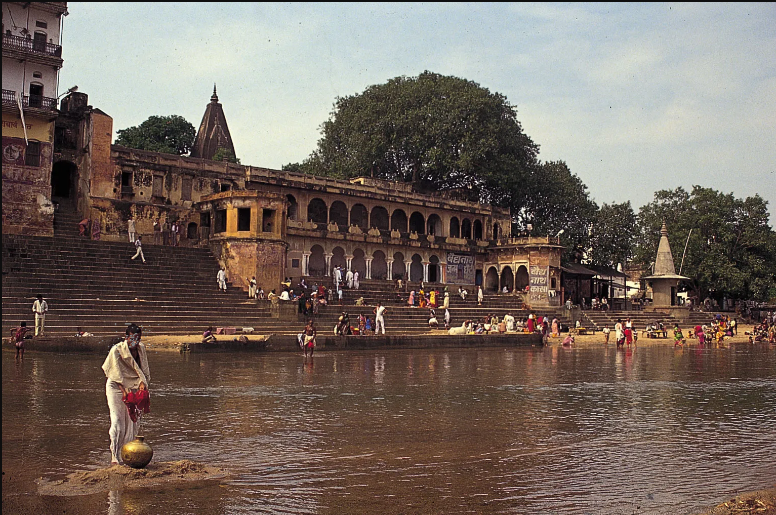
In the holy city of Gaya, Bihar, no ancestral ritual (Pind Daan or Shraddha) is considered complete or scripturally sealed without visiting Akshay Vat. This ancient, immortal Banyan tree (Ficus benghalensis), located near the banks of the Falgu River, represents eternity, continuation of lineage, and divine witness.
While the Falgu River ghats purify the performer and the Vishnupad Temple footprint dissolves the karmic chains of the departed souls, the Akshay Vat serves as the final station. Devotees believe that offering the final Pind (rice ball) under the canopy of Akshay Vat Gaya satisfies ancestors permanently, ensuring their final transition to Vaikuntha (the celestial realm of Lord Vishnu) and preventing them from falling back into the cycle of rebirth.
This guide details the legendary origins of Akshay Vat, its scriptural significance, the unique custom of Sita-Sankalp, and the step-by-step rituals performed under its sacred branches.
The Legend of Goddess Sita and the Five Witnesses
The extraordinary spiritual authority of Akshay Vat is rooted in a moving episode from the Ramayana that took place during Lord Rama's exile.
### The Apparition of King Dasharatha
When Lord Rama, Sita, and Lakshmana journeyed to Gaya to perform the Shradh for Rama's deceased father, King Dasharatha, Rama and Lakshmana went to nearby villages to collect the required ritual materials (grains, fruits, and flowers).
While they were away, the auspicious astrological hour (Muhurta) for the ceremony arrived. Suddenly, the spirit of King Dasharatha appeared from the ether, expressing intense spiritual hunger and demanding the offering immediately.
### Sita's Sand Pindas
Sita was in a difficult position. According to Vedic law, a woman did not traditionally perform the outer rites, and she had none of the prepared materials. However, out of deep respect and devotion for her father-in-law, Sita decided she could not let the spirit return unsatisfied.
She gathered fine sand from the Falgu riverbank with her hands, shaped them into round Pinda balls, and offered them to Dasharatha. She called upon five local entities to witness her sincere act:
1. The Falgu River
2. A local Brahmin priest
3. A cow grazing nearby
4. A Ketaki flower plant
5. The Akshay Vat tree
King Dasharatha's soul accepted the sand Pindas with joy, blessed Sita, and departed in peace.
### The Falsehood and the Curse
When Lord Rama and Lakshmana returned with the materials, Rama prepared to begin the ritual. Sita explained that the rites had already been performed and the spirit had departed. Rama, surprised, asked for proof.
Sita called upon her five witnesses to testify. However, four of the witnesses lied out of greed or fear of Rama:
* The Falgu River denied seeing the offering.
* The Brahmin priest denied the ritual.
* The cow shook its head in denial.
* The Ketaki flower denied witnessing the act.
Only the Akshay Vat tree spoke the truth, declaring boldly that Goddess Sita had indeed performed the ritual with sand Pindas and that King Dasharatha had accepted them.
### Sita's Blessings and Curses
Furious at the falsehood, Goddess Sita cursed the four lying witnesses:
* She cursed the Falgu River to flow underground, invisible and dry on the surface.
* She cursed the Brahmanas of Gaya to never be fully satisfied with material wealth.
* She cursed the cow to eat garbage and dirty food.
* She cursed the Ketaki flower to never be offered to Lord Shiva in worship.
Turning to the honest Banyan tree, Sita blessed the Akshay Vat tree with immortality:
“You shall never die, nor shall you lose your leaves. Even during the cosmic dissolution (Pralaya), you shall remain standing. And most importantly — no Shradh performed in Gaya will be complete until the devotee offers Pindas under your branches.”*
To this day, the tree remains lush and green, and every pilgrim must visit it to conclude their ancestral duties.
The Ritual of Sita-Sankalp (The Vow of Renunciation)
One of the most unique and spiritually profound customs in Gaya takes place under the branches of Akshay Vat — the Sita-Sankalp.
### What is the Vow?
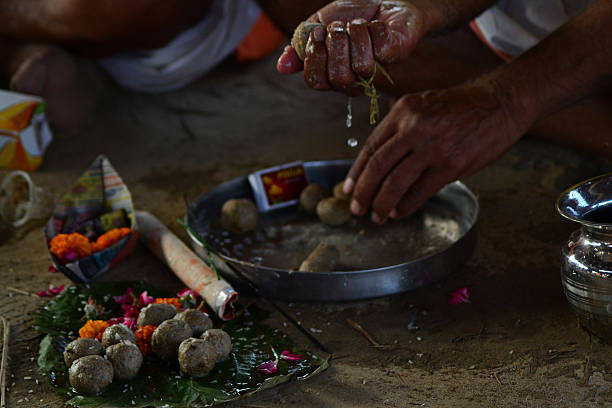
In honor of Sita's sacrifice and truth, pilgrims perform a formal vow under the tree. The priest guides the devotee to hold water and leaves, making a solemn promise to renounce one specific item of food, a material comfort, or a negative habit forever.
### The Spiritual Significance
In Vedic philosophy, ancestral liberation is tied to the descendant's ability to practice detachment (Vairagya). By sacrificing something we love under the immortal tree, we generate spiritual merit (Punya) and transmit that energy to the ancestors, helping them dissolve their own lingering earthly desires.
Common sacrifices include:
* Giving up a favorite fruit (e.g., mango, banana) or vegetable (e.g., potato, brinjal).
* Renouncing a specific sweet or beverage.
* Vowing to abandon a negative character trait (such as anger, greed, or gossip).
Once made, this vow is considered sacred and cannot be broken. It serves as the "dakshina of detachment" that seals the pilgrimage.
Step-by-Step Pind Daan Procedure at Akshay Vat
The ritual at Akshay Vat is the third and final phase of the Gaya pilgrimage. Here is the procedure:
### Step 1: Arrival after Vishnupad
Devotees travel to the Akshay Vat temple compound immediately after completing the footprint Pinda Arpan at the Vishnupad Temple.
### Step 2: Placement of the Final Pinda
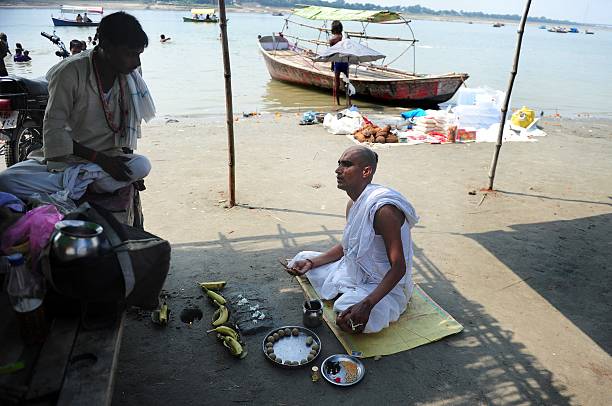
Under the guidance of the Gayawal Panda, the devotee sits near the base of the Banyan tree.
* The Pandit prepares the final Pind (usually made of barley flour or rice).
* The devotee places this Pinda on Kush grass at the trunk of the tree while chanting the concluding liberation mantras.
### Step 3: Tying the Sacred Thread (Mauli)
Devotees wrap a red-and-yellow sacred thread (Mauli or Kalava) around the massive trunk of the Akshay Vat tree. While wrapping, they pray for:
The long life, prosperity, and continuation of their family lineage (Vansh Suraksha*).
* The protection of future generations from sudden deaths and chronic diseases.
### Step 4: The Sita-Sankalp
The devotee makes the formal vow of renouncing a food item or habit, as described above.
### Step 5: Parikrama (Circumambulation)
The family walks around the tree three times in a clockwise direction, bowing and expressing gratitude to the tree as a living form of the Divine.
Comparison of the Three Ritual Pillars of Gaya
| Location | Ritual Performed | Spiritual Element | Scriptural Role |
| : | : | : | : |
| Falgu River | Tarpan (Water offerings) | Water (Jal) | Initial purification & hydration of souls. |
| Vishnupad Temple | Pinda Arpan (Footprint) | Fire/Ether (Akash) | Dissolving karmic debts through Vishnu's grace. |
| Akshay Vat | Final Pinda & Mauli Tying | Earth (Prithvi) | Eternal sealing of merit & lineage protection. |
Conclusion and Booking Assistance
Visiting Akshay Vat Gaya is a deeply emotional and fulfilling experience. It is the place where you seal your vows, tie the thread of lineage continuity, and make a personal sacrifice to ensure your ancestors reach their final home.
At Gaya Rituals, we ensure that your visit to Akshay Vat is organized and peaceful. We coordinate with verified local priests to guide you through the Sita-Sankalp vow, prepare the correct materials, and ensure no step of this critical final station is missed.
Ready to conclude your Pind Daan at Akshay Vat?
Book Your Ritual Now | Speak to a coordinator on WhatsApp | Read the Complete Gaya Travel Guide
Speak With Coordinator
Receive gotra-specific advice and customized pricing guidelines for Gaya rituals.
Related Articles
Gaya Rituals Promise
- ✓100% scriptural guidance under Vedic Acharyas.
- ✓Complete price transparency with zero hidden dakshina.
- ✓Respectful support for elderly & NRI families.