Can Women Perform Pind Daan in Gaya? Scriptural Facts & Guidelines
Can a woman perform ancestral rites? Discover the scriptural facts, from Goddess Sita's precedent to the Garuda Purana, and learn the guidelines for daughters, wives, and mothers performing Pind Daan.
Introduction: Challenging a Common Misconception
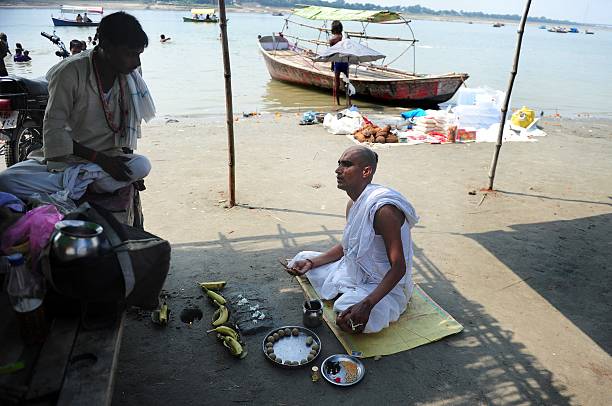
One of the most persistent questions and debates surrounding ancestral worship (Shraddha and Pind Daan) is: Can women perform Pind Daan?
For generations, the general understanding has been that only male descendants — the eldest son, brother, or paternal male relative — possess the religious authority to perform these ancestral rites. This belief has often left families without male heirs in a state of distress, worrying that their parents' or grandparents' souls will remain trapped without salvation.
However, a close examination of ancient Hindu scriptures, epics, and historical precedents reveals a very different reality. Not only do the scriptures permit women to perform these rites under specific circumstances, but the very origin of Pind Daan in Gaya is established by a woman.
This guide details the scriptural facts regarding Can Women Perform Pind Daan, the historical precedents, and the practical guidelines for daughters, wives, and mothers performing rituals in Gaya today.
1. The Supreme Precedent: Goddess Sita at the Falgu River
The most powerful scriptural evidence that a woman can perform Pind Daan is the story of Goddess Sita at the Falgu River in Gaya.
According to the Valmiki Ramayana and the Vayu Purana:
* During their exile, Lord Rama, Sita, and Lakshmana visited Gaya to perform the Shradh of King Dasharatha.
* While Rama and Lakshmana were away collecting the ritual materials, the spirit of Dasharatha appeared before Sita, expressing intense hunger and demanding the offering.
Understanding that the auspicious astrological hour (Muhurta*) was passing, Goddess Sita did not wait for the men. She gathered river sand with her hands, shaped them into Pindas, and offered them directly to Dasharatha.
* Dasharatha’s spirit accepted the offering from Sita's hands with joy and departed towards liberation.
This story, which establishes the very sanctity of the Falgu River sand and the Akshay Vat tree, proves that the ancestral plane recognizes and accepts offerings made by a woman when performed with pure devotion (Shraddha).
2. What the Scriptures Say: Garuda Purana & Dharmaśāstras
The Vedic legal texts (Dharmaśāstras) and Puranas contain clear provisions allowing women to take the Karta (performer) role in the absence of male heirs.
### The Garuda Purana (Dharmanidhi Chapter)
The Garuda Purana, which is the absolute authority on death and ancestral transitions, states:
> “In the absence of a son, the wife, daughters, or the brother's son can perform the Shradh rites. If there are no male descendants, the daughter’s son (grandson) or the daughter herself can perform the ritual to ensure the soul reaches Pitru Loka.”
### The Valmiki Ramayana (Ayodhya Kanda)
In the Ayodhya Kanda, it is noted that in the absence of a son, the daughter has the right to perform the funeral and ancestral rites for her parents to repay the debt of birth.
3. Practical Guidelines: When and How Can a Woman Perform Pind Daan?
While scriptures permit women to perform the rituals, local traditions and Pandits in Gaya follow specific guidelines to maintain scriptural discipline:
### When Can a Woman Perform the Ritual?
A woman can perform Pind Daan as the primary Karta under these conditions:
1. No Male Heir: The deceased has only daughters and no sons.
2. Unmarried Daughters: An unmarried daughter can perform the rites for her parents.
3. Married Daughters: A married daughter can perform the rites for her parents, preferably with the consent or presence of her husband.
4. Wives: A widow can perform the rites for her husband.
5. Granddaughters: In the absence of children, granddaughters can perform the rites for their grandparents.
### Modifications in the Procedure:
When a woman performs the ritual, the Gayawal Pandas make minor adjustments:
* The Clothing: Instead of wearing a dhoti (which is mandatory for men), women wear a simple white or cream cotton saree or traditional salwar suit.
Sankalp Chanting: The Pandit adjusts the Sanskrit Sankalp mantras, identifying the Karta as the Duhita (daughter) or Patni (wife) instead of Putra* (son).
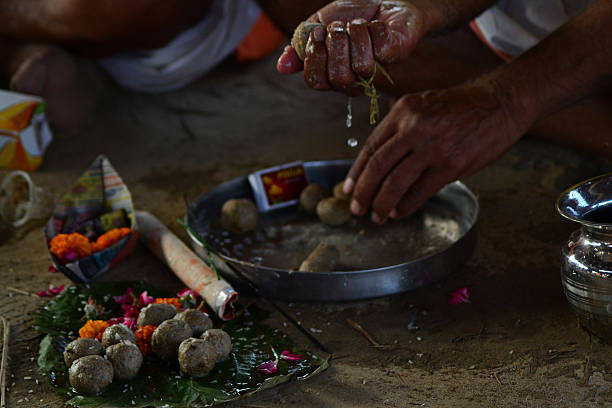
* Physical Offering: The physical forming of the Pindas and placing them on Lord Vishnu's footprint is guided in the same manner.
Scriptural Hierarchy of Who Can Perform Shradh
According to the Yajnavalkya Smriti, there is a clear hierarchy of who should perform the rites, indicating that women are fully included in the succession line:
1. Eldest Son
2. Younger Sons (collectively or individually)
3. Grandson (Son's son)
4. Great-Grandson
5. Wife (Widow)
6. Daughters
7. Brother
8. Nephew (Brother's son)
9. Daughter's Son (Grandson)
Conclusion: Intent Over Gender in Vedic Science
The core of Vedic ancestral science is intent (Bhavana) and faith (Shraddha). The ancestors do not look at the physical gender of the hand offering the water or food; they look at the gotra connection, the bloodline, and the love with which the offering is made. Goddess Sita's sand Pindas are a permanent testimony to this truth.
If your family does not have a male heir, do not let that prevent you from fulfilling your duty. You have the full scriptural right to liberate your parents.
At Gaya Rituals, we respect and support women devotees performing Pind Daan. Our verified Gayawal Pandits are well-versed in the scriptural guidelines for female Kartas and ensure that your rituals are conducted with complete dignity, comfort, and authenticity.
Ready to book your ritual as a daughter or wife?
Book Your Ritual Now | Speak to a coordinator on WhatsApp | Read the Step-by-Step Pind Daan Guide
Speak With Coordinator
Receive gotra-specific advice and customized pricing guidelines for Gaya rituals.
Related Articles

Gaya Rituals Promise
- ✓100% scriptural guidance under Vedic Acharyas.
- ✓Complete price transparency with zero hidden dakshina.
- ✓Respectful support for elderly & NRI families.