Falgu River Gaya
A holy river believed to be an incarnation of Lord Vishnu. The sands of the Falgu are used to form the initial pind offerings.
# Falgu River
History
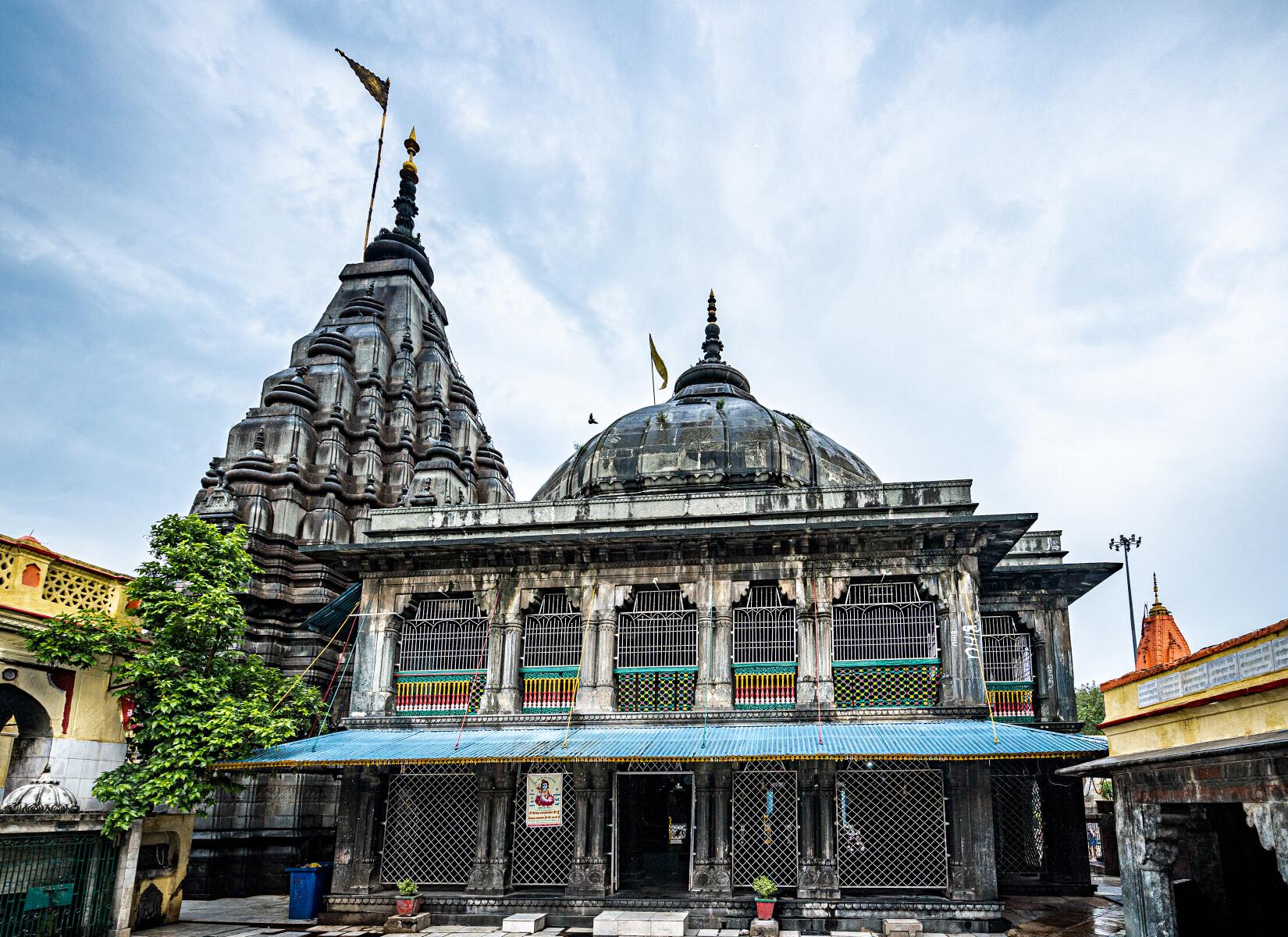
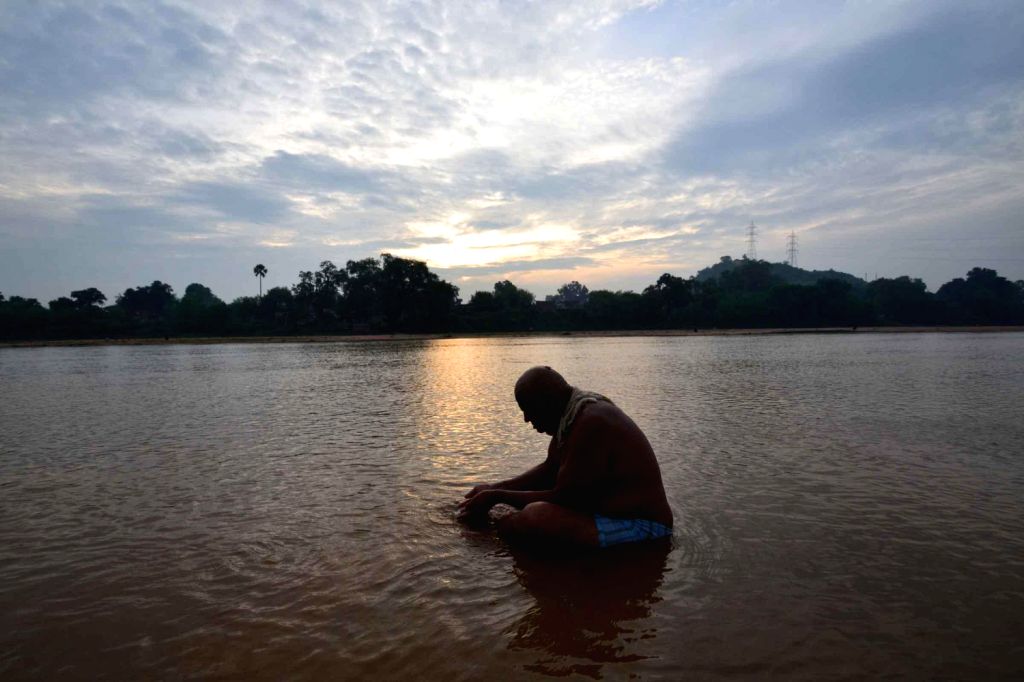
The Falgu River flows along the eastern border of Gaya, directly adjacent to the Vishnupad Temple. A unique feature of the Falgu is that it often runs dry on the surface, with water flowing invisibly beneath a thick bed of golden sand. Geologically, it is formed by the confluence of the Lilajan and Mohana rivers. It is referred to in ancient Sanskrit scriptures as the Niranjana River, which was also the site where Gautama Buddha achieved enlightenment.
Mythologically, the river is cursed. According to the Ramayana, while Lord Rama was away gathering materials, his father King Dasharatha appeared to Goddess Sita demanding an immediate Pind Daan. Goddess Sita created a pind out of river sand and offered it. The Falgu River, a cow, a Banyan tree, and a Brahmana witnessed the offering. When Lord Rama returned, the Falgu River lied about the offering to receive second offerings. Infuriated by this dishonesty, Goddess Sita cursed the river to run dry on the surface. Since then, the river flows beneath the sand, and pilgrims dig small pits to access its holy water.
Importance
The Falgu River is the first Vedi of the Gaya pilgrimage, where all purification rites are initiated.
* Purification of Ancestral Lineage: Sprinkling or bathing in the Falgu's subterranean waters cleanses the physical body and spiritual energy before entering the temples.
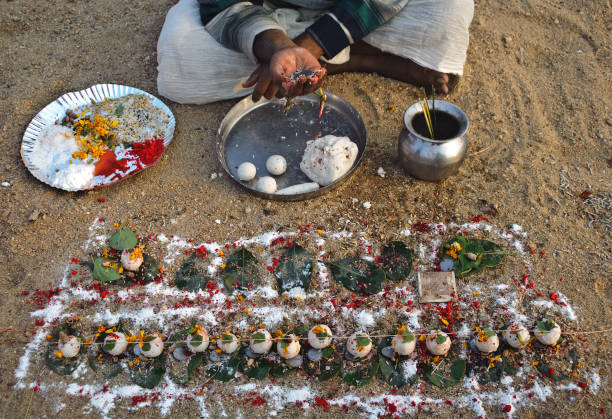
* Sand Pind Daan (Baluka Pind): Because Goddess Sita successfully offered a pind made of sand, performing Sand-based Pind Daan here carries supreme significance, proving that devotion overrides material offerings.
Tarpan Efficacy: Offering sesame seeds and water (Tarpan*) directly into the Falgu satisfies the souls of ancestors instantly.
Rituals Performed
The core rituals performed on the banks and sandy bed of the Falgu River include:
Snana (Purification Bath): Devotees take a dip or sprinkle the subterranean water over themselves to purify body and mind.
Baluka Pind Dan: Devotees gather dry sand from the riverbed, shape it into small spherical pindas, and place them as offerings.
Tarpan: Pouring water mixed with black sesame seeds, barley, and Kusha grass while reciting Vedic ancestral chants.
Pitri Tarpan Vows: Specialized prayers invoking names of ancestors from both the paternal and maternal sides.
Visitor Guide
Location: Ghats (like Dev Ghat and Samshana Ghat) are located along the river bank, directly connected to the Vishnupad temple complex.
Access: Steps are built down to the sandy riverbed from the main temples.
Best Time: Early morning hours (between 5:00 AM and 9:00 AM) are ideal for quiet prayers and accessing clean water.
Tip: Wear comfortable slippers that can be easily removed, as you will be walking directly on soft sand.
Internal Links
To plan your purification rites and coordinate with our guides:
Book River Pandits: Arrange for a Pandit to meet you directly at Dev Ghat by visiting Book Pind Daan Service.
Ask About Package Costs: Check costs for transport and materials on our Gaya Pind Daan Cost page.
Read Pind Daan Steps: Review the complete procedural steps in our Read Pind Daan Guide.
Plan Rites Here
Consult with our Acharyas to perform Pind Daan or Tarpan at Falgu River.
Gaya Pilgrimage Concierge
- ✓
Priority coordination at key shrines with local setups.
- ✓
Certified, verified local Pandits for precise gotra recitations.
- ✓
End-to-end travel, sanitation, and puja logistics support.